Smart Gear Choices for Car Camping, Hiking, and Glamping
Why gear problems ruin trips and what actually fixes them
Poor choices show up fast: you get rained on, can't set up the tent, or sleep like you never left the city. Fixing that starts with honest priorities — do you want speed, weight savings, or mattress-level comfort? A quick swap like using a glam camping tent for one weekend can teach you more about what you actually care about than reading a dozen spec sheets. I’m talking real trade-offs, not buzzwords: less weight means faster hikes, bigger floors mean better naps, and a simple cooking setup means you eat real food instead of cold granola.
Shelter headaches and practical solutions
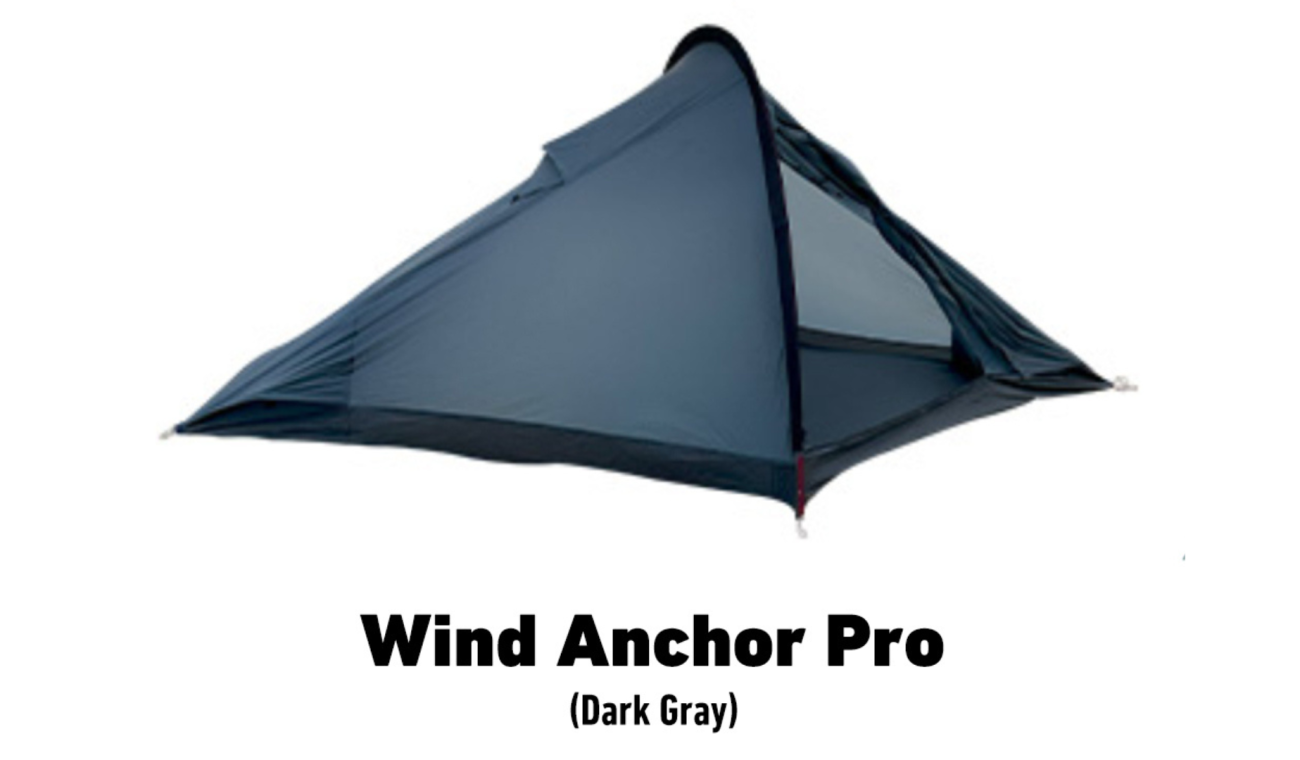
Tents cause the most friction. For car camping, people buy tiny backpack tents out of habit; for hikes, they pick heavy cabin rigs because “it felt roomier” in the store. If you want a middle ground — livable space without hauling twice the weight — think about two-room designs. A duplex tent is the type that’s often demoed at the Outdoor Retailer trade show for good reason: it balances internal separation with reasonable setup time. What I’ve learned from repeated weekend testing is simple: practice the setup once at home, stake per instructions, and keep the footprint tidy. Mistakes to avoid — ignoring ventilation (condensation killers) and under-staking in winds — are the ones that turn a good tent into a miserable one.
Sleeping systems that actually improve rest
Most people over-focus on tent size and ignore sleep. A decent insulating pad and a compression-friendly sleeping bag beat shelling out for a huge tent if your priority is comfort. For glamping, layer a 3-season mattress pad over a self-inflating pad; for hikes, trade plushness for an R-value that matches the season. Common error: buying a pad because it “looks soft” without checking R-value or packed size. Fix that by matching pad specs to your climate and testing inflation at home so you won’t wrestle with valves at midnight.
Cooking, lighting, and extras that change the vibe
Stoves, lights, and storage are where convenience compounds. A reliable two-burner for car camping, a single-burner canister stove for hikes, and a small alcohol or twig stove for ultra-light work. Swap fragile camp lanterns for a durable LED with adjustable output. Pack stuff where you’ll use it: the cook kit goes on top of the cooler for car trips; into the top of your pack for hikes. People forget fuel types and bring the wrong canisters — match fuel to stove and double-check connectors before you leave.
Packing and setup mistakes that kill fun
Overpacking, poor organization, and skipping a dry run are the three killers. Use stuff sacks and label them: sleep, cook, shelter, clothes. Don’t cram the tent into the bottom where it gets damp; put it in its own protected bag. Practice pitching the tent once indoors or in the yard so you know how long it takes and which pole goes where. When time’s tight, prioritize shelter, warmth, and a hot meal — everything else is optional.
Quick picks by trip type and sensible trade-offs
Car camping: accept extra weight for comfort — bigger tent, lantern, and a thicker pad. Hiking: shave ounces where they count — lighter tent, simplified cook kit, and a high-R-value but compact pad if cold. Glamping: aesthetics matter, but comfort still wins — choose breathable fabrics, easy setup, and a real mattress option. If you can’t decide between ultralight and comfort, choose comfort for basecamp weekends and ultralight for point-to-point hikes.
 Wrapping it up with straightforward value
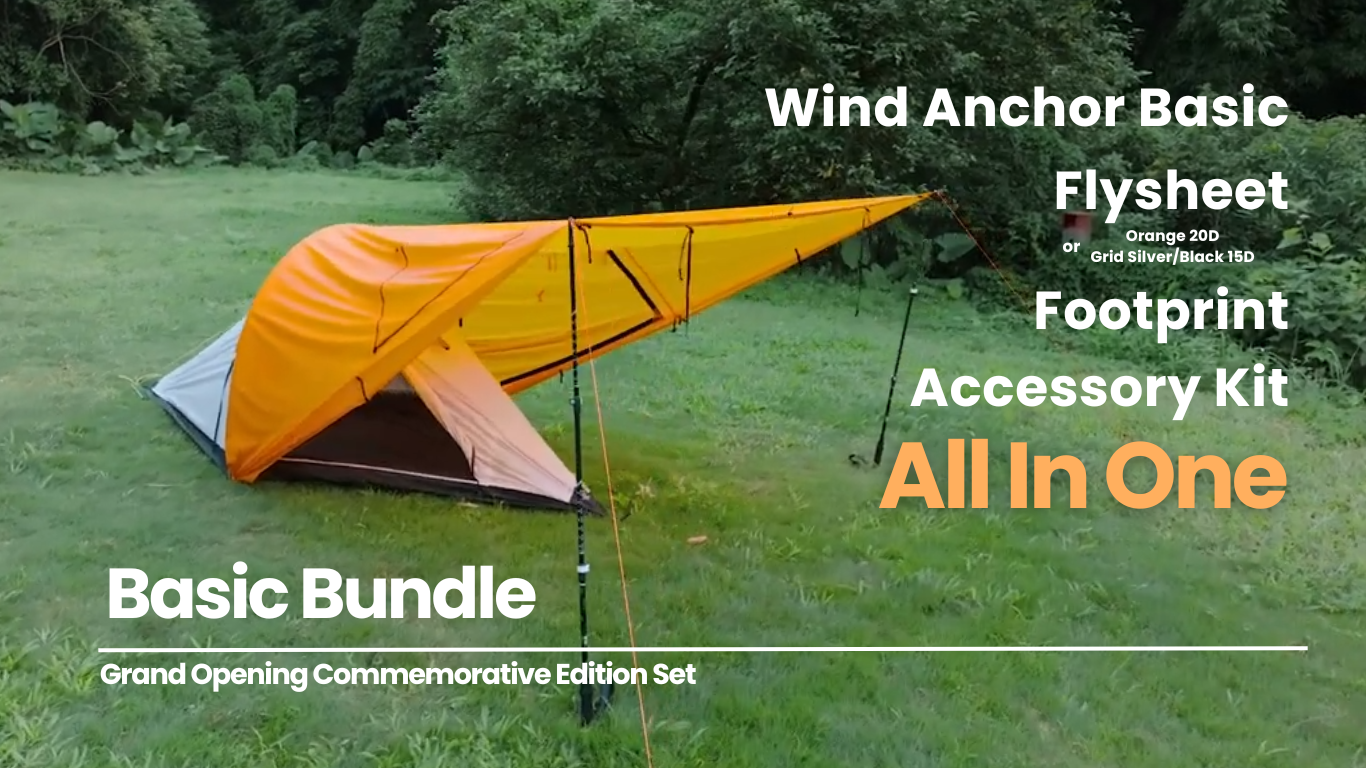
Fix the core problems first: shelter that suits your trip, a sleep system matched to conditions, and a compact cook setup you’ll actually use. Practical gear choices cut down on stress and make space for what matters — sunset talks, naps, and good food. When I need kit that solves those problems without fuss, I look for clean, sensible lines and practical features from companies I trust, like the selection at THECATAL.