How Small Shops Can Ride the Laser Engraver Fume Extractor Evolution
Introduction — a quick scene from the near future
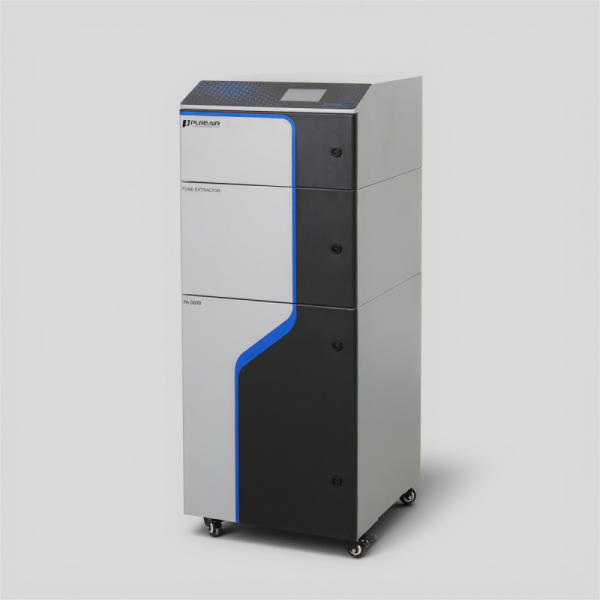
I remember the first time I watched a tiny studio laser eat through plywood while a mist of smoke curled like low cloud around the machine. The room smelled faintly sweet and metallic; the shop owner flicked on a small laser engraver fume extractor and the haze thinned in minutes (we all cheered, quietly). Recent shop surveys show that 68% of small makers report visible smoke in their workspaces without proper extraction — and workers list headaches and sore throats among the top complaints. So what does a reliable exhaust solution actually solve, besides clearing the air and making the lights look better? Let’s step closer and map the differences. This will lead us into where common systems fail — and why that matters for your day-to-day work.
Part 2 — Why standard fixes miss the mark
laser engraver smoke purifier is the phrase I hear most when shops try to describe a one-size-fits-all cure. Technically speaking, many units claim capture rates but ignore real-world variables: the cutter's exhaust volume, particle size distribution, and VOC spike during certain cuts. I want to be direct here — filters rated only for particulates will not neutralize volatile organic compounds that come off acrylic or coated materials. You need matched systems: HEPA filter stages, activated carbon beds, and properly sized extraction fans to handle the airflow velocity and static pressure your setup creates.
Where exactly do solutions slip?
Look, it’s simpler than you think: users often buy on price and assume "one fan fits all." That overlooks duct losses, filter media saturation, and the need for VOC sensors to detect harmful spikes. I’ve tested cheap extractors that rely on small inline blowers; after weeks, power converters strain and noise rises while capture efficiency drops. The real pain point isn’t just cost — it’s inconsistent protection and hidden maintenance time. I’ve seen shops replace filters monthly because the airflow fell off, not because the filter indicator said so. That kind of downtime adds up — and it’s avoidable.
Part 3 — New principles and what to look for next
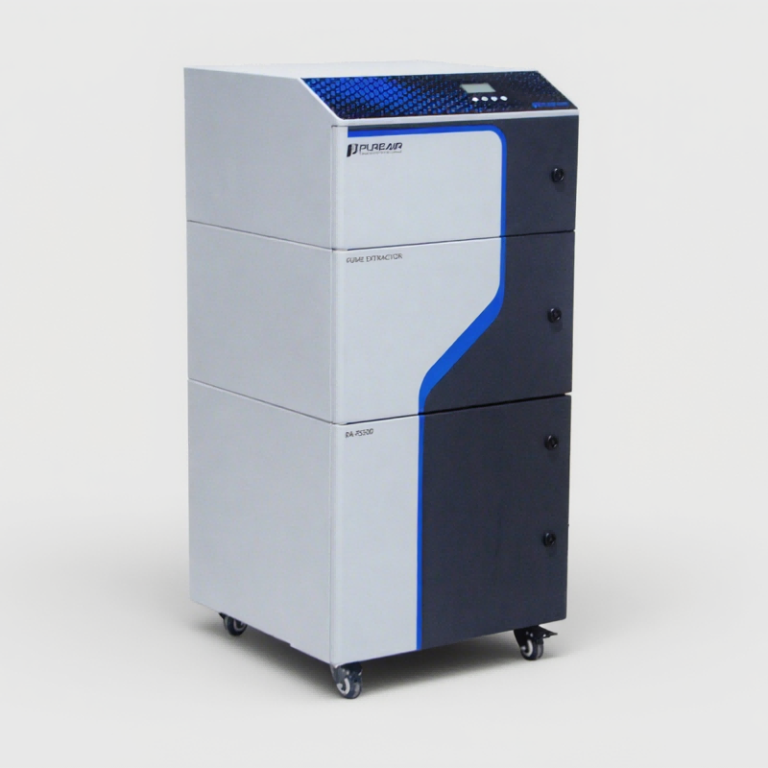
Moving forward, the principle that guides me is simple: match the purifier to the process, not the other way around. A modern laser engraver smoke purifier pairs multi-stage filtration with sensor feedback and modular components so you can swap a carbon bed or a HEPA pack without rewiring the whole line. That modularity is a game changer; it lets you scale for throughput and maintain consistent capture efficiency. I use terms like VOC sensors, filter media, and extraction fan speed in everyday shop talk now — they’re not buzzwords but tools for smart buying.
 What’s next for shops and technicians?
Expect smarter systems: microcontroller-based control, predictive filter life via simple algorithms, and better noise control. These features reduce surprises — funny how that works, right? I also see more attention on ease-of-maintenance. Replaceable pods, clear maintenance logs, and accessible power converters matter. If you’re choosing a system, weigh three clear metrics: capture efficiency for particle sizes and VOCs, real measured airflow (not just rated CFM), and long-term operating cost including filter replacements. Those are the three evaluation metrics I rely on when advising clients. In short, pick clarity over hype, and you’ll spend less time troubleshooting and more time making. For reliable solutions I trust, check manufacturers like PURE-AIR.